Key Highlights
- AI is changing how search engines interpret queries and display results.
- Automation is reducing routine SEO tasks and improving efficiency.
- Traditional tactics are giving way to AI-driven optimization models.
- Human insight and storytelling remain essential for SEO success.
- The ethical use of AI and reliance on first-party data are gaining importance.
- SEO roles are evolving from specialists to visibility leaders.
- Adaptability and clear communication are key to long-term success.
SEO feels like it’s standing at a major crossroads. Search engine result pages (SERPs) are no longer static lists of blue links. Instead, AI-powered summaries, conversational search tools, and machine learning algorithms decide what users see first. For marketers, the question isn’t just how is AI changing SEO, but how to adapt before being left behind.
At the same time, there’s growing frustration. Rankings that once drove traffic now often result in zero-click searches. Marketers are asking: how does AI affect SEO long term? Will SEO specialists be replaced, or will AI simply augment their work?
In this blog, we’ll weave together expert perspectives and the Human Algorithm lens to reveal where SEO is headed next.
How Is AI Changing SEO According To Experts?
On September 13, nine seasoned SEO practitioners gathered at an AI SEO roundtable in Miami to discuss how artificial intelligence is reshaping search optimisation. The conversation reflected the challenges many marketers face today: shifting algorithms, disappearing traffic patterns, and the pressure to adapt faster than ever before.
Expert 1: Mike King – Why Many SEOs Still Underestimate AI’s Disruption
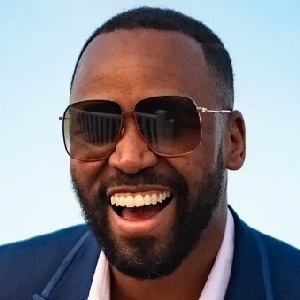
Michael King
Mike King, founder and CEO of iPullRank, argues that most SEO professionals are still treating AI as just another tool. In reality, he says, AI is transforming the very foundation of search. Keywords and backlinks are not disappearing, but the way they are interpreted is shifting dramatically.
As King puts it, “Enterprise organizations especially are bought into the idea of this being an evolution of SEO … yet the SEO community is still trying to make it smaller than it is.”
This highlights a dangerous blind spot: by downplaying the scale of change, SEOs risk being left behind.
What Mike King Emphasizes:
- AI Is A Paradigm Shift: AI is not a feature update but a structural change in how search engines process and deliver results.
- Traditional SEO Tools Are Behind: King notes, “SEO tools are years behind how Google actually works today. … We’re 10 years behind.”
- Relevance Engineering Is The Future: He promotes a new framework that blends content strategy, embeddings, UX, and PR to align with AI-driven search.
- Content Alignment Matters More Than Ever: King’s team analyzes site embedding distances and removes or revises content that drifts too far from brand relevance. This approach has led to measurable site-wide improvements.
- SEOs Must Redefine Their Role: In his words, “Do you all really want to stay the janitors of the web? This is our moment to really stand up and be something different.”
Traditional SEO vs AI-Era SEO (Based on Mike King’s Insights)
This comparison highlights how the responsibilities of SEOs are shifting in the AI era, moving from tactical execution to strategic leadership.
| Traditional SEO Focus | AI-Era SEO Focus |
| Keywords and backlinks | Embeddings and intent modeling |
| On-page technical tweaks | Site-wide content alignment |
| Traffic and rankings metrics | Brand visibility and relevance |
AI in SEO is like the mobile revolution. Those who adapt early will set the pace, while those who resist risk obsolescence. The Human Algorithm puts King’s idea of relevance engineering into practice by aligning content, UX, and brand signals, while pruning what drifts off-topic so AI surfaces the material that truly reflects your brand.
Expert 2: Leigh McKenzie – SEOs Must Become AI Visibility Leaders

Leigh McKenzie
Leigh McKenzie emphasized that SEO professionals need to think bigger than rankings. In his view, AI is forcing SEOs to step up as leaders who own visibility across the entire organization, not just on search results pages. He believes this is the moment where SEOs can prove their value by driving how brands appear in AI-driven experiences.
McKenzie stressed that SEOs should not see themselves as traffic reporters anymore, but as visibility architects. This means connecting SEO signals with product, PR, content, and even customer experience teams.
What Leigh McKenzie Highlights:
- SEO’s Role Has Expanded: SEO is no longer a siloed channel. It must influence how a brand is represented in AI-generated summaries, knowledge panels, and conversational search.
- SEOs Must Lead Cross-Functionally: She suggests that SEOs should guide marketing, PR, and product teams on how AI impacts visibility and customer trust.
- From Keywords To Brand Signals: McKenzie notes that optimizing for AI requires thinking beyond traditional keyword metrics and ensuring brand authority is reinforced across every digital channel.
- Shift From Data Collectors To Strategists: As she put it during the roundtable, SEOs must step out of the “reporting role” and act as leaders who explain what AI-driven changes mean for business outcomes.
To see this shift clearly, let’s compare the traditional SEO role with the new AI visibility leader role.
Old SEO Role vs AI Visibility Leader Role (Based on Leigh McKenzie’s Insights)
This comparison highlights how the responsibilities of SEOs are shifting in the AI era, moving from tactical execution to strategic leadership.
| Old SEO Role | AI Visibility Leader Role |
| Reporting traffic numbers | Explaining business impact |
| Optimizing keywords only | Guiding brand visibility in AI |
| Working in silos | Leading cross-functional teams |
| Ranking-focused | Authority and trust-focused |
AI is pushing SEO beyond rankings and reports, turning it into a leadership role that shapes how brands are seen across every channel. Through the Human Algorithm, this shift means using SEO to guide cross-functional teams and ensure that brand signals, from PR to product pages, stay consistent when surfaced by AI.
Expert 3: Jennifer Cornwell – SEO Must Be The Thread Across Channels
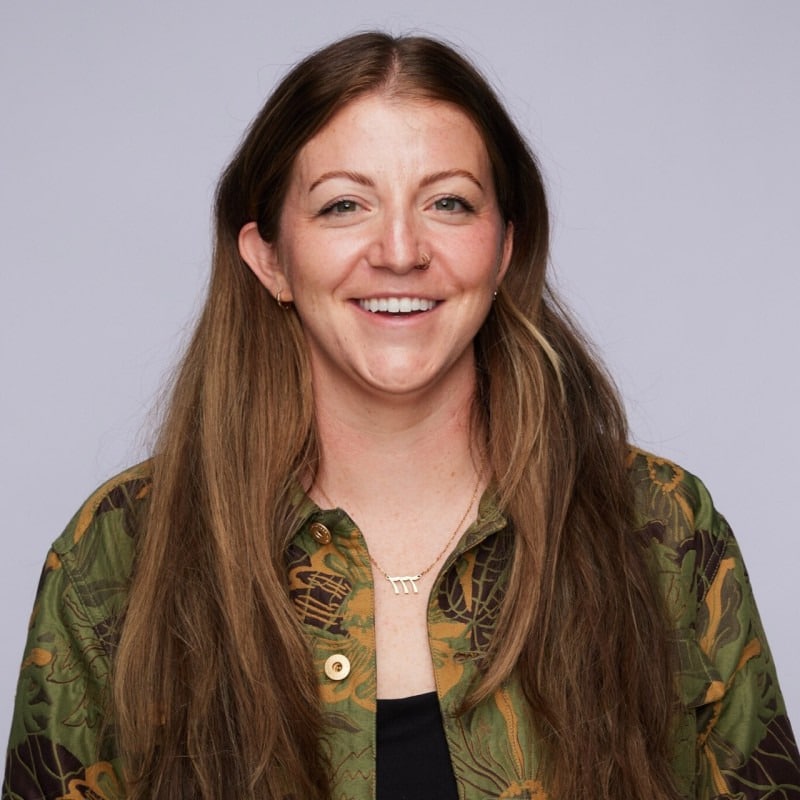
Jennifer Cornwell on SEO as the Thread Across Channels
Jennifer Cornwell, VP of SEO at Tinuiti, warned that SEO can no longer work in isolation. In her words, “AI is pushing SEOs to expand their roles, rethink strategies, and brace for uncertainty.” She sees AI causing overlaps among channels, so SEO needs to become the glue that holds them together.
Cornwell argues that when SEO fails to align with PR, paid, and content efforts, it loses visibility and voice. She believes SEO should orchestrate cohesive brand presence across all digital touchpoints.
What Jennifer Cornwell Highlights:
- SEO cannot operate in Isolation: AI-driven summaries and conversational results pull from multiple brand sources, not just your pages.
- Integration Reinforces Authority: She notes that consistency across channels enhances brand signals that AI trusts.
- Collaboration With Paid Media Is Nonnegotiable: With AI blending organic and ad results, SEO and PPC must align, not compete.
- Bottom-Line Focus Over Rankings: Cornwell encourages SEOs to connect their work to business metrics across all channels, not just organic traffic.
Old Siloed SEO vs Integrated SEO Approach (Based on Jennifer Cornwell’s Insights)
This comparison shows how SEO must evolve from a standalone practice into a cross-channel growth driver in the age of AI.
| Old Siloed SEO Approach | Integrated SEO Approach |
| Focuses solely on organic pages | Aligns with paid, PR, and content |
| Measures rankings alone | Measures brand impact and conversions |
| Works in isolation | Collaborates across marketing |
| Content-driven only | Channel-aware, brand-driven |
Cornwell’s view highlights the need for SEO to act as connective tissue across channels. The Human Algorithm frames this as building consistency, making sure PR, paid campaigns, and organic content reinforce the same signals so AI-generated results reflect a unified brand story.
Expert 4: Matthew Kay – SEOs Must Evolve Into Full-Stack Marketers
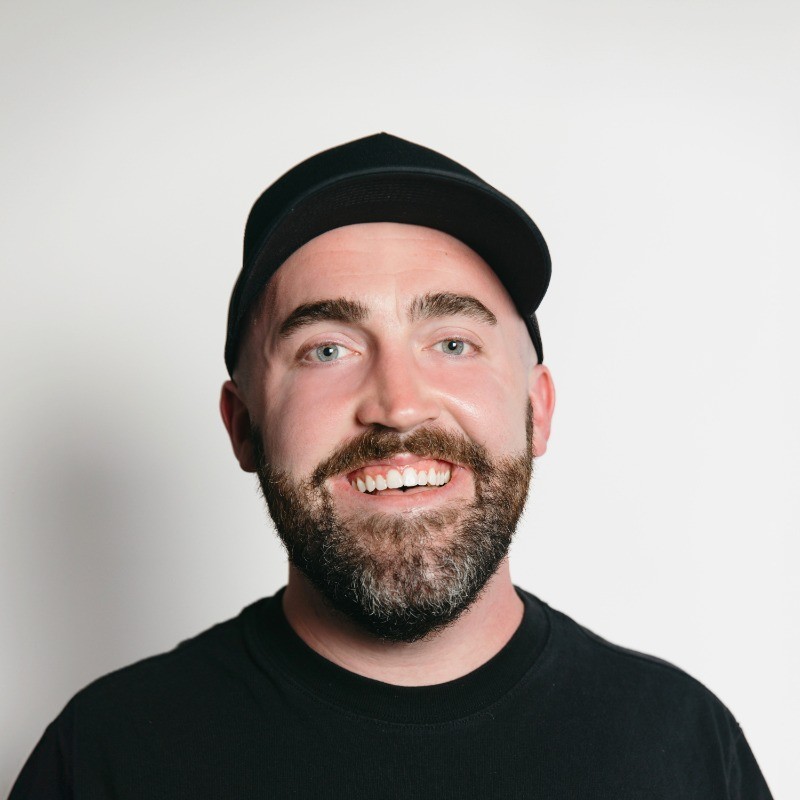
Matthew Kay
Matthew Kay delivered perhaps the bluntest wakeup call in the discussion: “AI search has made it impossible for SEO professionals to stay in a silo and still expect to find success… It’s time to evolve into a complete marketer or become irrelevant.”
He argues that the traditional divides between SEO, content, analytics, UX, and marketing are dissolving. In the AI era, success favors those who can span disciplines, understand customer journeys, and orchestrate content and experience across touchpoints.
Kay’s perspective elevates the role of the SEO specialist: no longer just a technical implementer, but a growth-minded marketer who can see the bigger picture.
What Matthew Kay Emphasizes:
- SEO Can’t Be Isolated: As he told the panel, isolating SEO is no longer viable; AI search demands integration across marketing and content.
- Skills Expansion Is Essential: SEOs need to master analytics, UX, brand storytelling, prompt engineering, and cross-channel strategy.
- Metrics Must Link To Business Outcomes: Kay stresses that SEO metrics must be tied to conversion, engagement, and funnel progress, not just rankings.
- Adaptability Over Rigid Plans: He warns against sticking to legacy roadmaps, emphasizing that the ability to pivot, test, and respond to new AI SERP behaviors is vital.
To see how this shift compares to traditional SEO roles, here’s a side-by-side:
Old SEO Specialist vs AI-Era Full-Stack Marketer (Based On Matthew Kay’s Insights)
This comparison shows how the demands on SEOs are changing, from narrow specialization to broad strategic ownership.
| Old SEO Specialist Role | AI-Era Full-Stack Marketer Role |
| Focused on keywords, tags, links | Drives content, UX, analytics, and messaging |
| Works independently within SEO team | Leads cross-team alignment across marketing |
| Tracks rankings and traffic | Measures conversions, funnel impact, brand lift |
| Execution-focused | Strategy-driven, responsive, adaptive |
Kay’s point shows that SEO now demands broader skills and cross-team leadership. The Human Algorithm reflects this shift by blending data, UX, and storytelling so SEO evolves from a narrow function into a driver of business growth.
Expert 5: Devesh Khanal – We Need An AI Search Console
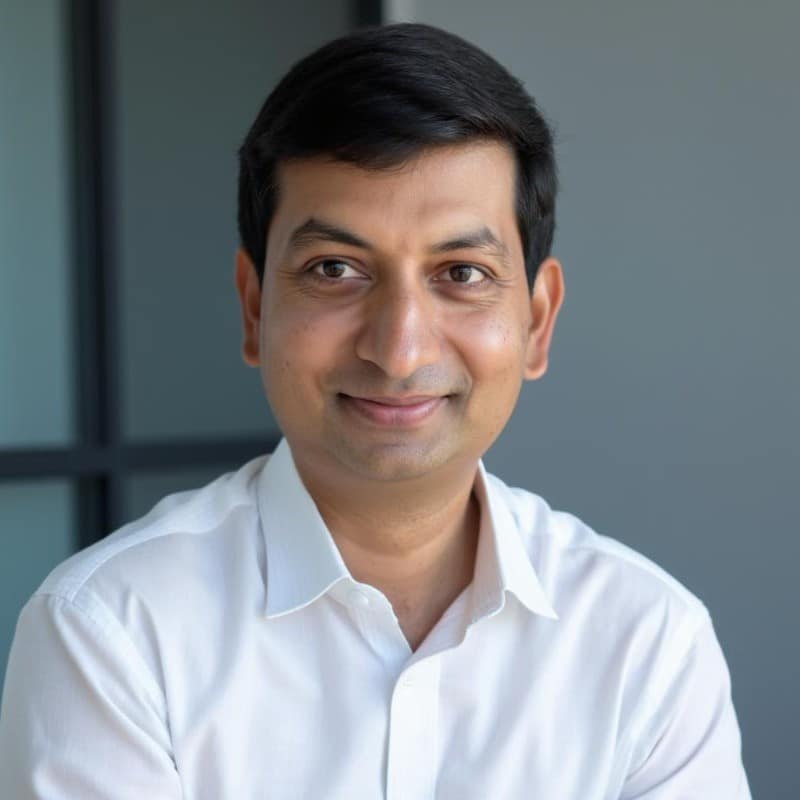
Devesh Khanal
Devesh Khanal, co-founder of Grow & Convert, raised a major concern: “We don’t have visibility into when our content is being surfaced in AI-driven answers.” At the roundtable, he warned that many SEOs will miss critical signals if they rely solely on traditional search engine optimization (SEO) analytics.
Khanal argues that marketers currently suffer from a visibility blind spot. AI summaries, answer boxes, and conversational snippets may draw on your content without sending traffic, leaving you unaware of which pages are performing in these AI surfaces.
What Devesh Khanal Highlights:
- Lack of AI Visibility Tools: The tools we currently have (Search Console, analytics) often fail to detect AI-driven exposure and engagement.
- First-Party Signals Become Crucial: Tracking direct engagement metrics (subscriptions, clicks, micro-conversions) becomes increasingly important when traffic may not be visible.
- AI Mentions Without Clicks: Khanal notes that content may be referenced in AI responses without ever being clicked, so you lose attribution.
- Measuring Assisted Conversions: Instead of focusing solely on last-click, SEOs should look for subtle signals, such as the number of users who were primed by the content before converting via another channel.
Old Exposure Tracking vs AI Visibility Metrics (Based On Devesh Khanal’s Insights)
This comparison shows the shift from click-based measurement toward AI-exposed metrics you cannot see in conventional tools.
| Old Exposure Tracking | AI Visibility Metrics |
| Page impressions and CTR | Mentions in AI-generated answers |
| Organic clickthroughs | Engagement without clicks (e.g. voice assistants) |
| Last-click attribution | Assisted conversions and touchpoint modeling |
| SEO performance via Search Console | AI exposure signals beyond traditional tools |
Khanal’s warning about hidden visibility gaps underscores why human judgment still matters. The Human Algorithm approach balances machine signals with first-party insights, helping teams spot the blind spots AI misses and connect content performance back to real business outcomes.
Expert 6: Ryan Jones – Adapt And Evolve, Don’t Panic

Ryan Jonas
Ryan Jones, SEO director at Razorfish, reminded the audience that while AI is undeniably changing search, panic is not the answer. “SEO has always been about change. Algorithms evolve, interfaces evolve, and we’ve adapted every time. This is no different - it just feels bigger.”
Jones’ perspective provides balance: while others emphasized disruption, he argued that adaptability remains the most critical SEO skill. AI may alter how results are displayed and measured, but the fundamentals of providing value to users remain unchanged.
What Ryan Jones Highlights:
- AI Change Is Part Of A Pattern: SEO has undergone similar shifts to those seen with mobile, voice, and Core Web Vitals. AI is the next in line.
- Adaptability Is The Real Edge: SEOs who test, learn, and pivot quickly will outperform those who resist change.
- Practical Experimentation Matters: Jones encourages running small, controlled tests in AI-impacted SERPs rather than chasing every new feature blindly.
- Value To Users Remains The North Star: He insists that creating helpful, relevant, and trustworthy content is still the foundation, even as AI rewrites the interface.
To see how Jones frames this shift, here’s a comparison of rigid SEO approaches vs adaptive ones:
Rigid SEO Practices vs Adaptive SEO Practices (Based On Ryan Jones’ Insights)
This comparison underscores the importance of flexibility in thriving in the AI-driven SEO landscape.
| Rigid SEO Practices | Adaptive SEO Practices |
| Over-optimizing for one algorithm | Testing across evolving SERPs |
| Sticking to outdated playbooks | Pivoting based on new AI features |
| Measuring only rankings & CTR | Exploring brand lift, engagement |
| Fear of algorithm changes | Seeing change as opportunity |
Ryan Jones reminds us that adaptability, not panic, defines SEO’s future. At Wild Creek Web Studio, we call this the Human Algorithm in action: using AI to test, learn, and move faster, while relying on human judgment to stay focused on real user value. It’s this balance that keeps brands resilient when search shifts.
Expert 7: Nick Eubanks – The Attribution Crisis In SEO
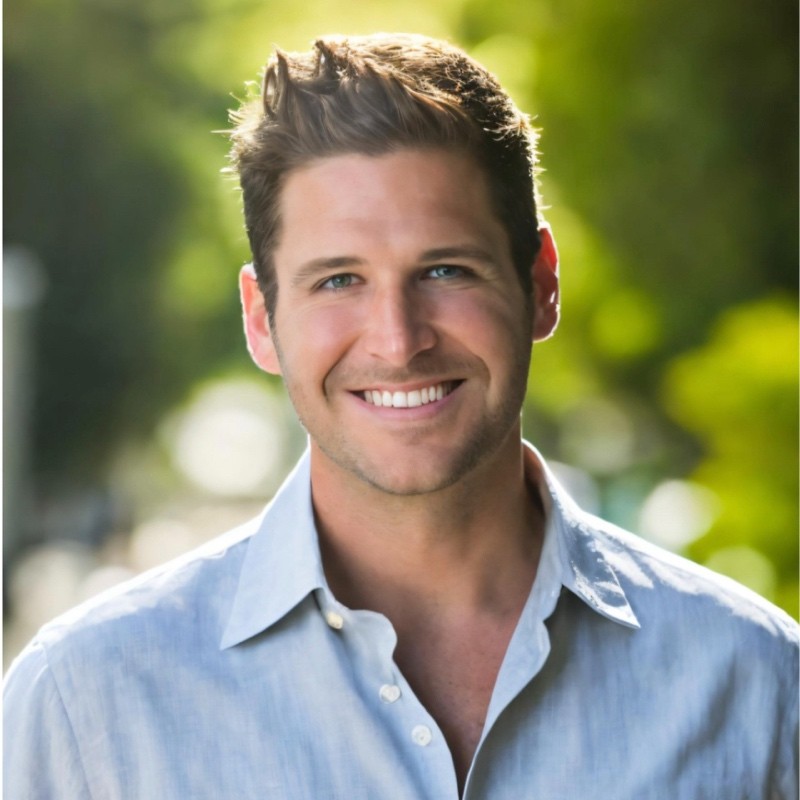
Nick Eubanks
Nick Eubanks, founder of From The Future and a Vice President of Owned Media at Semrush, cautioned that attribution is becoming one of the biggest challenges in the AI era. As he explained, “We are entering a time where organic visibility is harder to measure, because AI can use your content without ever driving a click.”
Eubanks argues that the traditional reliance on Google Analytics or Search Console data is no longer enough. AI can surface your content in summaries, voice results, or conversational search without it appearing in your dashboards. This means that SEO success is increasingly tied to brand authority and off-site signals, factors that influence visibility even if traffic doesn’t appear directly.
What Nick Eubanks Highlights:
- Attribution Models Are Breaking: Old last-click models fail when AI reduces traditional site visits.
- Brand Authority Matters More Than Ever: Strong off-site mentions and citations signal credibility to AI-driven search.
- Organic Traffic Is No Longer The Sole KPI: Eubanks insists SEOs should also track brand search volume, direct visits, and engagement.
- Cross-Channel Measurement Is Critical: Measuring SEO in isolation overlooks how AI impacts conversions across multiple channels.
To understand this shift, consider the following comparison between traditional SEO measurement and AI-era attribution.
Traditional SEO Metrics vs AI-Era Attribution Metrics (Based On Nick Eubanks’ Insights)
This comparison highlights how measurement must evolve when clicks alone no longer reflect impact.
| Traditional SEO Metrics | AI-Era Attribution Metrics |
| Organic sessions | Brand search lift |
| Rankings and impressions | Off-site mentions and citations |
| Last-click conversions | Multi-touch attribution |
| Page CTR | Direct and assisted conversions |
Eubanks makes it clear that AI is creating an attribution crisis. SEO specialists who focus solely on traffic will miss the bigger picture. To stay relevant, brands must invest in building authority and track impact beyond clicks. The Human Algorithm approach helps here by pairing AI’s scale with human judgment, ensuring attribution reflects both data signals and real brand trust.
Expert 8: Matthew Melinger – SEOs Must Become Marketing Therapists

Matthew Melinger
Matthew Melinger, SEO consultant and founder of SEO Gets, pointed out that one of the hardest parts of AI’s impact on SEO isn’t just technical, it’s psychological. As Melinger noted, “Half the battle right now is explaining to leadership what these changes mean, calming the panic, and showing a path forward.”
He believes that SEOs today need to play a dual role: not only practitioners, but also communicators who can reassure stakeholders, translate AI’s changes into business terms, and guide leadership with realistic, test-driven strategies.
What Matthew Melinger Highlights:
- Executives Are Nervous: Many leaders see AI as disruptive and fear losing visibility or ROI.
- SEOs Must Guide and Explain: Melinger urges SEOs to frame changes in business-friendly terms, rather than using technical jargon.
- Pilot Projects Build Confidence: Running small, controlled tests can help calm leadership while proving tangible results.
- Communication Skills Are A Must-Have: Being able to “therapize” executives, as he puts it, is just as important as technical skills.
This shift is evident when comparing traditional SEO skills with the requirements of today’s digital landscape.
Traditional SEO Skills vs AI-Era SEO Leadership Skills (Based On Matthew Melinger’s Insights)
This comparison illustrates how SEOs must expand their scope beyond tactics to become trusted advisors within organizations.
| Traditional SEO Skills | AI-Era SEO Leadership Skills |
| Keyword research and on-page fixes | Clear communication with executives |
| Technical audits | Translating AI changes into business impact |
| Ranking and traffic reports | Running pilot projects to prove ROI |
| Working independently | Guiding leadership with reassurance |
Melinger highlights a critical truth: SEOs must act as marketing therapists. By explaining, testing, and reassuring, they not only deliver results but also build the executive trust needed to navigate AI-driven uncertainty.The Human Algorithm echoes this by blending AI insights with human reassurance, helping leaders make sense of change with both clarity and confidence.
Expert 9: Gaetano DiNardi – Don’t Forget The Customer

Gaetano Nino
Gaetano DiNardi, growth advisor and marketing strategist, warned against getting too caught up in AI tools and forgetting the human side of marketing. As he put it, “AI might help you scale faster, but if you’re not listening to real customers, you’ll just scale the wrong message.”
DiNardi believes that while AI can enhance efficiency, it cannot replace the nuance, empathy, and insight that come from genuine customer interactions. He stresses that AI-driven SEO risks creating generic content unless brands ground their strategies in thorough research, insightful interviews, and authentic audience feedback.
What Gaetano DiNardi Highlights:
- AI Alone Can’t Capture Human Nuance: People, not machines, must uncover customer motivations, pain points, and emotional triggers.
- Audience Research Is Still Essential: DiNardi argues that surveys, interviews, and user testing provide insights AI cannot generate.
- Risk of Generic Content: Overusing AI without human input often results in undifferentiated, forgettable messaging.
- Customer-Centric SEO Wins: Brands that tie AI insights to honest customer feedback will build stronger trust and loyalty.
To illustrate this, here’s a comparison of AI-driven shortcuts versus customer-focused SEO.
AI-Driven Shortcuts vs Customer-Centric SEO (Based On Gaetano DiNardi’s Insights)
This comparison shows why grounding AI strategies in human understanding is essential for long-term success.
DiNardi’s message is clear: AI may speed up execution, but only customer insights give SEO its edge. The brands that strike a balance between machine-driven scale and human-driven empathy will win in both trust and visibility.
Expert Perspectives On How AI Is Changing SEO
Comparing expert perspectives at a glance:
| Expert | Core Belief / Insight | Summary Of View |
| Mike King | AI is a paradigm shift; traditional SEO tools and tactics are years behind. SEOs must embrace Relevance Engineering and redefine their role. | AI As Structural Shift |
| Leigh McKenzie | SEOs must step up as AI visibility leaders, guiding brand, PR, and product teams to ensure visibility in AI-driven search. | SEOs As Visibility Leaders |
| Jennifer Cornwell | SEO is no longer a silo. Success comes from integrating SEO with paid media, PR, and brand storytelling for unified visibility. | Integrated SEO Approach |
| Matthew Kay | SEOs must evolve into full-stack marketers who handle UX, analytics, content, and AI strategy - not just technical SEO. | Full-Stack SEO Marketers |
| Devesh Khanal | We lack an AI search console; content may be cited by AI without clicks. SEOs must measure brand lift, first-party data, and assisted conversions. | AI Visibility Blind Spot |
| Ryan Jones | Change is not new. SEO has always adapted. Success depends on flexibility and testing rather than fear of AI. | Adaptability Is Survival |
| Nick Eubanks | SEO faces an attribution crisis. AI can surface your content without clicks. SEOs must focus on brand authority and cross-channel attribution. | Attribution Crisis Ahead |
| Matthew Melinger | SEOs must act as marketing therapists, calming executive fears, running pilots, and translating AI’s impact into business outcomes. | SEOs As Communicators |
| Gaetano DiNardi | AI scales execution, but only customer research and empathy create truly effective SEO. Brands risk generic messaging without human insights. | Customer Insight First |
Why Wild Creek’s Human + Algorithm Matters In The Age Of AI
As experts agree, AI is changing SEO at a fundamental level. But there is one truth that remains: machines cannot think, empathise, or strategise the way humans do. That is where Wild Creek Web Studio’s Human + Algorithm approach becomes a differentiator.
Instead of treating AI as a replacement, we see it as a teammate. Tools can automate audits, drafts, and reports, but humans decide what to audit, what to draft, what to prioritize, what to discard, and when to pivot. That decision layer makes or breaks AI-driven SEO. This harmony helps brands:
- Scale SEO efficiency without losing originality.
- Align content with cultural context and brand storytelling.
- Make data-driven decisions while preserving ethical judgement.
- Build sustainable visibility across search, AI summaries, and cross-channel experiences.
👉 Want to see how Human + Algorithm can future-proof your SEO? Explore our approach and book a consultation today.
Conclusion
Search is changing fast. AI now shapes how intent is understood and how results are delivered. But this doesn’t mean SEO professionals are on their way out. What it really means is that those who adapt will thrive, and those who don’t will struggle to keep up.
The real advantage comes from blending what machines do best with what only humans can bring. With the Human + Algorithm approach, SEO leaders can move quicker, think smarter, and keep their brands visible even as search keeps shifting.
Frequently Asked Questions
Will AI eventually replace human SEO professionals?
While AI enhances SEO efficiency, it is unlikely to fully replace human professionals. The nuanced understanding of user intent, creativity, and ethical considerations remain essential. A collaborative approach combining AI capabilities with human expertise will shape the future of SEO.
Are there risks to using AI tools for SEO that I should know about?
While AI tools enhance efficiency in SEO, they present risks such as over-reliance on automation, potential loss of brand voice, and issues with data security. It’s essential to balance AI use with human insight to ensure strategies remain relevant and effective.
Which AI SEO tools are considered the most effective right now?
Top AI SEO tools currently gaining traction include Semrush (AI & brand visibility features), Surfer SEO (content optimization), SE Ranking (AI site audits & rank tracking), Ahrefs (AI-powered backlink and content ideas), and Writesonic (content research + generation).
What is the role of AI in the future of SEO?
AI and the future of SEO are closely linked, as machine learning, predictive analytics, and generative AI transform how search algorithms interpret search queries, search intent, and user behavior to deliver more relevant content in real time.
How is the AI impact on SEO changing strategies in 2025?
The AI impact on SEO 2025 means Google Search increasingly relies on generative experience and natural language processing. SEO experts now focus on content creation, local SEO, and digital marketing integration to meet evolving user needs and search trends.
How can AI SEO specialists improve content marketing and optimization?
AI SEO specialists use data analysis, predictive analytics, and natural language tools to generate deeper insights into search engine rankings. They support SEO efforts like link building, new content generation, and case studies to refine marketing strategy and organic search results.
What are the benefits of AI and machine learning in SEO optimization?
AI and machine learning in SEO help optimize content marketing by improving keyword targeting, link building, and understanding search intent. They allow SEO agencies to automate content generation while ensuring relevant content aligns with user needs and search engine algorithms.
How to use AI for SEO without losing human creativity?
The best practices combine AI-driven content generation, predictive analytics, and natural language models with human insight. This balance ensures SEO content remains engaging, supports organic search, and aligns with marketing strategy, social media integration, and case studies of successful campaigns.
What impact of AI should businesses expect on search engine rankings?
The impact of AI is seen in Google Search using natural language processing and generative AI to personalize results. SEO experts recommend generative engine optimization, creating relevant content, and refining SEO efforts to adapt to real time changes in search trends.
How will AI integration affect organic search and future of search?
Integration of AI will reshape organic search results by prioritizing user behavior signals and search queries. With generative AI, SEO agencies must focus on relevant content, specific needs, and future of search practices to ensure effective SEO optimization and content marketing.