Key Highlights
- Content marketing is a strategic approach to content creation that focuses on providing value to your audience.
- An effective content strategy guides customers through the awareness, consideration, and closing stages.
- Popular formats include blog posts, videos, social media content, and ebooks to achieve business goals.
- Best practices involve defining your audience, creating consistent content, and distributing it across various channels.
- This approach helps build brand trust, improves rankings on search engines, and drives profitable customer action.
- Analysing performance is crucial for refining your strategy and maximising impact.
Why is content marketing so important for businesses today? In a competitive digital landscape, it’s your key to connecting with your audience in a meaningful way. Instead of just selling, you provide quality content that educates, entertains, and builds trust.
From engaging social media content to insightful articles, a strong content marketing plan significantly boosts brand awareness and fosters lasting relationships with the people who matter most to your business.
It’s about being a valuable resource, not just another advertisement.
What Is Content Marketing and Why Is It Important for Businesses Today?
Content marketing is a strategic approach focused on creating and sharing valuable, relevant content to attract and retain a clearly defined audience. In B2B content marketing, it builds trust, demonstrates expertise, and supports long-term growth rather than short-term promotional wins.
Here’s how content marketing drives measurable business value:
- Strengthens visibility and authority through digital content marketing.
- Guides prospects through every stage of the content marketing funnel.
- Attracts high-intent audiences actively researching solutions.
- Builds credibility that supports consistent lead generation.
When executed strategically, content marketing turns awareness into engagement and engagement into sustainable revenue.
To learn more about why blogging improves SEO, visibility, and lead generation, read this guide on why your business needs a blog.
How Exactly Does Content Marketing Work?
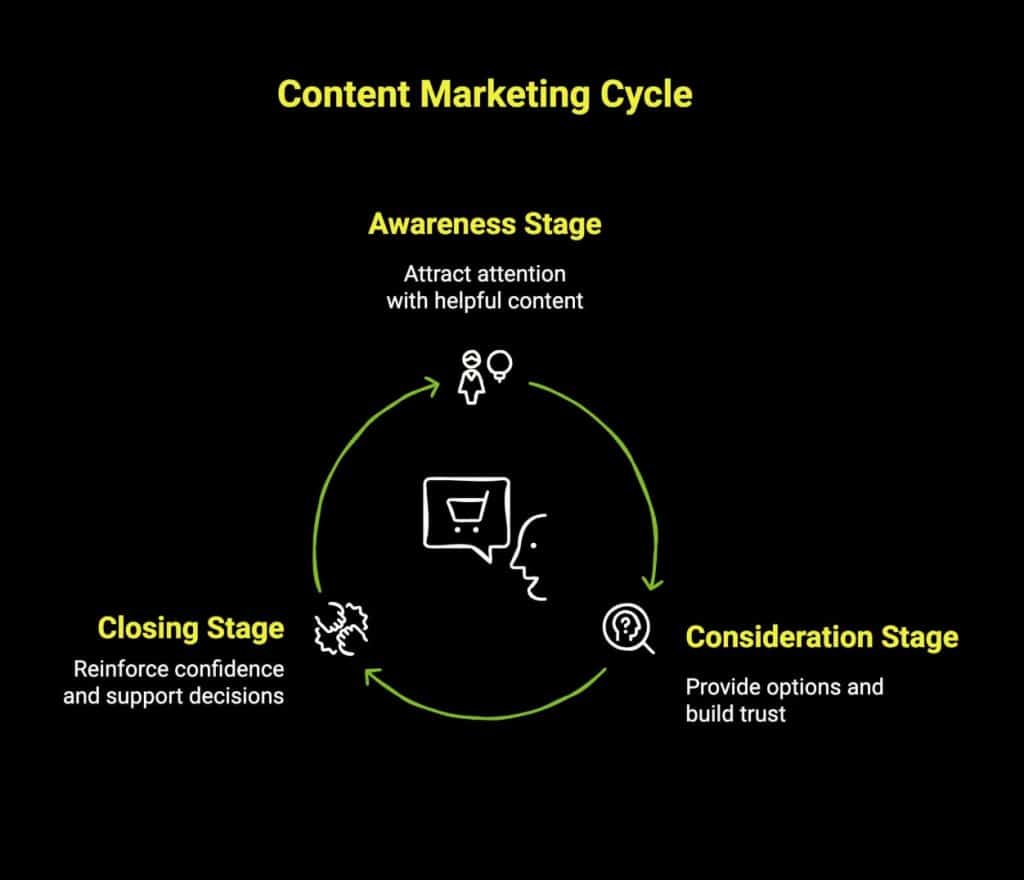
Infographic showcasing how content marketing works
Content marketing works by attracting attention, building trust, and supporting decisions through useful content. It introduces problems clearly, explains possible solutions, and reinforces confidence at the right moments, helping people move naturally from discovery to decision without feeling pressured.
Here is how it works in real life:
1. Awareness Stage: Be Helpful, Not Salesy
At this stage, people are trying to understand a problem. They are searching online, scrolling through social media, and looking for clear answers. The goal is not to pitch. It is to help. Blogs, videos, and social posts explain issues clearly and show the real benefits of content marketing by building early trust and visibility.
2. Consideration Stage: Help Them Compare Options
Now your audience is exploring solutions and asking what might work best for them. This is where guides, case studies, and explainers add real value. AI content marketing can support relevance and timing, but the content should remain practical, clear, and easy to understand.
3. Closing Stage: Make the Decision Feel Easy
When someone is close to buying, they need reassurance. Testimonials, demos, and honest comparisons reduce uncertainty and build confidence. At this stage, content marketing supports conversions by helping people feel comfortable taking the final step.
When done well, content marketing feels less like marketing and more like guidance from a brand that understands real needs.
Read this guide to learn more about proven social media strategies that amplify your brand.
What Are the Most Common Types of Content Marketing?
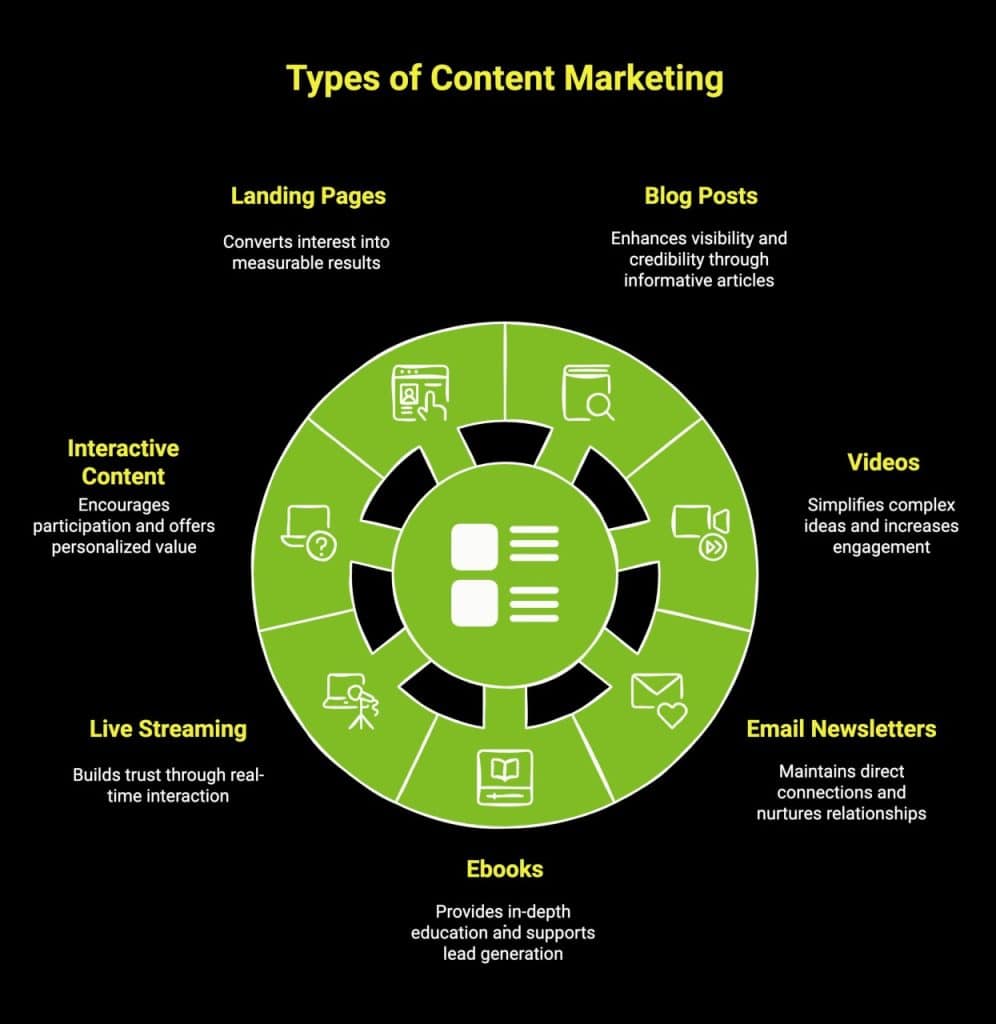
Infographic showcasing types of content marketing
Content marketing uses different formats to connect with audiences in meaningful ways. Each type serves a specific purpose, from building awareness to driving action. Understanding why is content marketing important helps businesses choose formats that match audience behaviour, platforms, and goals instead of relying on a single content type.
Here are the most common types and how they actually help:
1. Blog Posts and Articles
Blogs are the foundation of many strategies because they answer real questions people search for. Well-written articles improve visibility, support SEO, and build credibility over time. They help educate readers, attract consistent traffic, and position your brand as a reliable source of information.
2. Videos, Infographics, and Podcasts
Visual and audio formats make complex ideas easier to understand. Videos demonstrate concepts clearly, infographics simplify data, and podcasts build deeper connections through conversation. These formats are ideal for increasing engagement, expanding reach on social platforms, and appealing to different content consumption preferences.
3. Email Newsletters and Social Media Content
Email keeps your brand directly connected to interested audiences, while social media supports ongoing interaction and visibility. Together, they help distribute content consistently, nurture relationships, and keep your brand top of mind without relying solely on search traffic.
4. Ebooks and Whitepapers
Long-form resources are designed for depth and authority. They educate readers on specific topics, support lead generation, and demonstrate expertise. These formats work especially well when audiences need detailed guidance before making informed decisions.
5. Live Streaming
Live content creates real-time interaction and authenticity. It allows brands to answer questions instantly, share updates, and show personality. Live streaming builds trust quickly by making audiences feel involved rather than spoken to.
6. Interactive Content
Quizzes, polls, and calculators encourage participation instead of passive reading. They increase engagement, provide personalised value, and offer insights into audience needs. Interactive formats are memorable and help brands stand out in crowded content feeds.
7. Landing Pages
Landing pages focus on one clear action, such as sign-ups or downloads. They convert interest into measurable results by removing distractions and guiding visitors toward a single goal. Many businesses, including an ecommerce content marketing agency, rely on landing pages to support campaigns effectively.
Using a mix of these content types helps you reach audiences where they are and support every stage of their decision-making journey.
Explore these case studies to see what an effective digital strategy looks like in action.
What are the Basic Strategies to Get Started With Content Marketing?

Infographic showcasing content marketing strategies
Getting started with content marketing requires more than creating content. You need a clear plan that defines who you are targeting, what you want to achieve, and how your content supports those goals. Strong fundamentals help you stay focused, consistent, and effective from the start.
Here are the core strategies that set a strong foundation:
1. Define Your Audience Clearly
Successful content begins with knowing exactly who you are speaking to. Go beyond demographics and understand your audience’s challenges, motivations, and questions. When content reflects real needs and pain points, it feels relevant, earns attention faster, and builds trust more naturally.
2. Set Clear and Measurable Goals
Every piece of content should support a purpose. Whether the goal is traffic, leads, engagement, or retention, clarity helps guide decisions. Measurable goals also make it easier to track performance, adjust direction, and prove the value of your content efforts over time.
3. Create Content That Delivers Real Value
Good content helps before it sells. Focus on answering questions, solving problems, or offering practical insights. When content consistently delivers value, audiences return, trust grows, and your brand becomes a reliable resource instead of just another promotional voice.
4. Stay Consistent With Publishing and Messaging
Consistency builds familiarity and credibility. A realistic publishing schedule keeps your brand visible and dependable. Pair frequency with a consistent tone and message across platforms so audiences experience a clear, unified brand presence wherever they engage with your content.
5. Distribute Content Across Multiple Channels
Creating content is only half the job. Sharing it across blogs, email, and social platforms ensures it reaches more of the right people. Different audiences prefer different channels, so distribution increases visibility and maximises the impact of every piece you publish.
6. Measure Performance and Optimise Continuously
Analytics show what works and what does not. Track engagement, traffic, and conversions to understand audience behaviour. Use these insights to refine topics, formats, and channels. Continuous improvement turns content marketing into a scalable, results-driven system.
With the right strategy in place, content marketing becomes a reliable engine for growth rather than a guessing game.
Wondering whether to invest more in SEO or paid ads? This free ROI calculator lets you compare organic and paid traffic side by side.
What are the Key Benefits of Using Content Marketing?
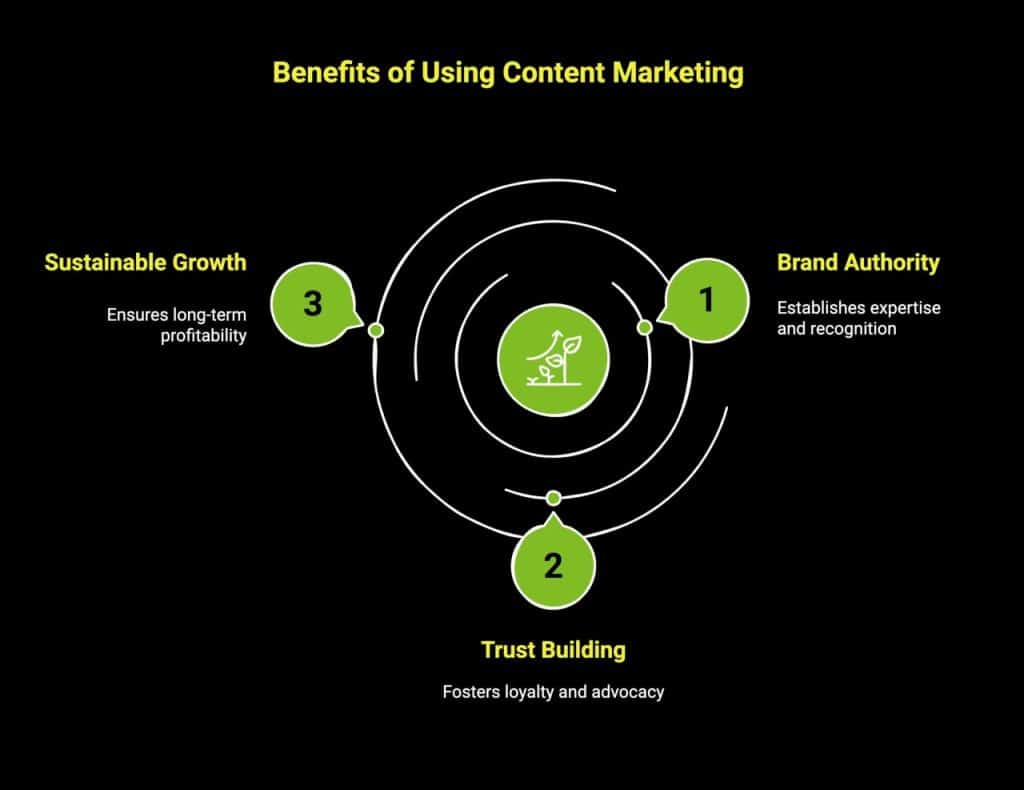
Infographic showcasing benefits of using content marketing
Content marketing delivers value beyond promotion by building visibility, trust, and long-term growth. It helps businesses attract the right audience, strengthen credibility, and create meaningful connections that support sustainable results rather than short-term spikes in attention or sales.
Here are the key benefits that make content marketing so effective:
1. Boosts Brand Authority and Awareness
Consistently publishing helpful, high-quality content positions your brand as a reliable source of expertise. As your content appears in search results and gets shared, awareness grows naturally. Over time, audiences begin to recognise and trust your brand as a go-to authority in your space.
2. Builds Trust and Long-Term Relationships
Content that educates and supports, without pushing a sale, builds genuine trust. When audiences feel understood and informed, they engage more deeply. This trust strengthens loyalty, encourages repeat interactions, and helps turn customers into advocates who willingly recommend your brand.
3. Drives Sustainable Growth and Measurable ROI
Content continues to work long after it is published. Optimised pieces attract organic traffic, support conversions, and reduce reliance on paid channels. With clear performance tracking, businesses can measure impact, refine strategy, and confidently invest in content as a long-term growth driver.
When done consistently, content marketing becomes a compounding asset that supports credibility, connection, and business growth over time.
What Are Some Examples of Successful Content Marketing Campaigns?
Successful content marketing is not about publishing more content. It is about creating memorable experiences that educate, entertain, or empower audiences over time. The strongest campaigns feel natural, human, and valuable long before they ever feel promotional.
These real-world examples show how different brands use content marketing formats, platforms, and tones to build awareness, engagement, and long-term trust.
1. Duolingo: Turning Education Into Entertainment

Duolingo 2

Duolingo
What Duolingo Did: Duolingo embraced TikTok culture instead of fighting it. The brand used its owl mascot in humorous, self-aware videos that followed trending sounds, memes, and internet jokes. Rather than pushing app features, Duolingo focused entirely on entertainment and relatability.
Why This Worked: The content felt native to the platform. Duolingo did not try to “sell learning,” it simply showed up as part of the conversation. This approach humanized the brand, increased engagement, and helped Duolingo reach younger audiences organically.
Key Content Marketing Lesson: When your content fits the platform culture, audiences reward you with attention. Educational brands do not have to be serious to be effective.
2. HubSpot Academy: Educating Before Selling

HubSpot Academy
What HubSpot Did: HubSpot invested heavily in free educational content through HubSpot Academy. It offers courses, certifications, templates, and guides that help marketers and business owners improve real skills without requiring a purchase.
Why This Worked: By solving problems upfront, HubSpot built trust at scale. Users learned marketing concepts using HubSpot resources long before becoming customers. When they were ready to buy, HubSpot already felt like the natural choice.
Key Content Marketing Lesson: High-value educational content positions your brand as a long-term partner, not just a vendor. Teaching builds credibility faster than promotion.
3. Spotify Wrapped: Personalisation at Scale
Spotify Wrapped
Spotify Wrapped 2
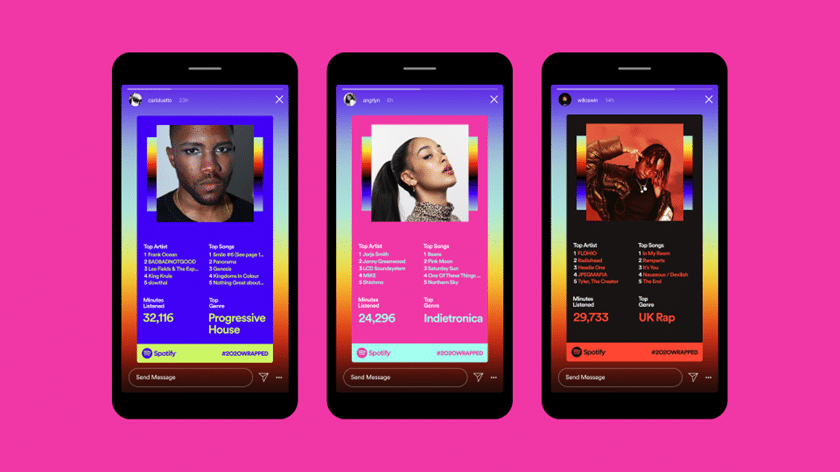
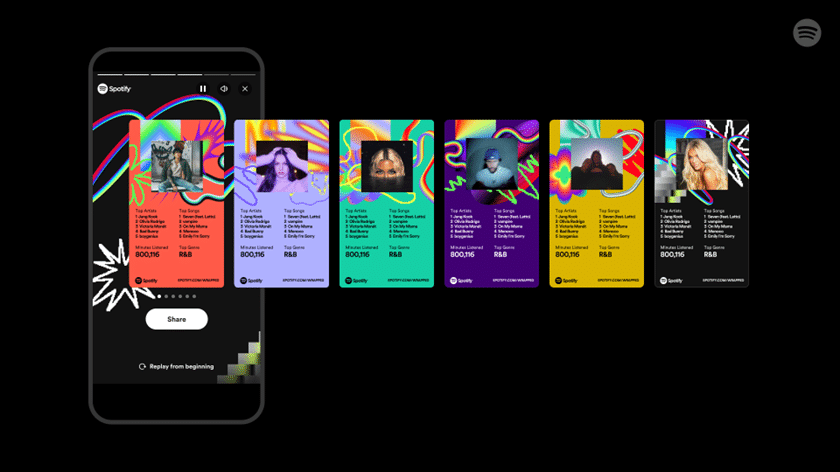
What Spotify Did: Spotify Wrapped turns user listening data into personalised, visually engaging stories every year. Each user receives a unique summary designed for easy sharing across social platforms.
Why This Worked: The campaign made users the hero. Wrapped content feels personal, emotional, and fun, encouraging millions of people to share it voluntarily. This creates massive organic reach without traditional advertising.
Key Content Marketing Lesson: Personalisation drives participation. When users see themselves in the content, they become your distribution channel.
4. Wendy’s: Owning a Distinct Brand Voice

Wendy
Wendys National Roast Day
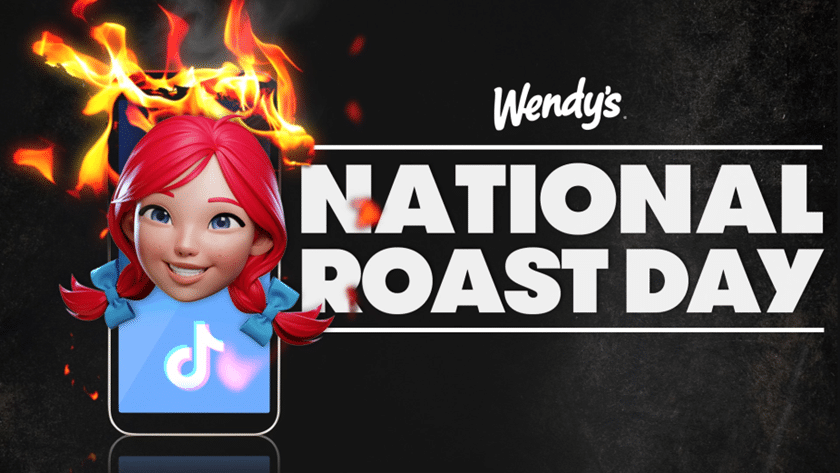
What Wendy’s Did: Wendy’s built a bold, witty, and unapologetic social media voice, especially on Twitter. The brand regularly engages in humorous banter, roasts, and playful commentary that feels more like a person than a corporation.
Why This Worked: Consistency made the personality believable. Audiences began following Wendy’s for entertainment, not discounts. Over time, the brand became culturally relevant beyond its products.
Key Content Marketing Lesson: A strong, consistent brand voice can be as powerful as any campaign. Personality builds memorability.
These campaigns succeed because they prioritise audience value, creativity, and consistency over direct selling.
Ready to Grow Your Business With Clarity-Driven Digital Strategy?
Growing your business online should feel focused, not overwhelming. Wildcreek Web Studios helps brands cut through noise with clear, ROI-driven digital strategies that actually move the needle.
With over 18 years of experience, we bring SEO, paid campaigns, brand strategy, and digital consulting together under one roof, so every effort works toward a single goal: measurable growth.
We focus on visibility that attracts the right audience, messaging that builds trust, and performance that delivers revenue, not vanity metrics. Whether you are scaling an established business or strengthening your digital foundation, our approach is built around clarity, data, and long-term impact.
Let’s grow your business the smart way. Talk to Wildcreek Web Studios today and start building results that last.
Conclusion
Content marketing works best when you turn ideas into consistent action. Start by choosing the right type of content for your audience, then distribute it through email marketing, social media posts, and your website. Focus on thought leadership that helps potential customers solve real problems, not sales messages.
Review what performs well, refine your approach, and stay consistent. Over time, these small, focused steps build authority, trust, and measurable growth. If you want help shaping a clear, practical content plan, reach out for a free consultation and take the next step with confidence.
Frequently Asked Questions
Is content marketing still effective in 2026?
Yes, absolutely. Content marketing remains highly effective in 2026 because it focuses on building trust and providing value. It’s crucial for improving rankings on search engines, driving customer engagement on social media, and supporting sustainable business growth.
How can I get certified in content marketing?
Many online platforms offer certifications in content marketing. Reputable sources like HubSpot Academy provide free, comprehensive courses that cover content strategy, creation, and best practices. These certifications are great for aspiring content marketers and business owners.
What makes a content marketing campaign successful?
A successful content marketing strategy is built on a deep understanding of the target audience. It involves creating valuable and relevant content that addresses their needs, distributing that great content effectively, and consistently measuring performance to ensure a measurable ROI.
What role does content marketing play in B2C marketing?
Content marketing plays a key role in B2C marketing by attracting attention, building trust, and influencing purchase decisions through helpful, relatable content. It supports awareness, engagement, and loyalty across digital touchpoints, helping brands connect emotionally and convert customers.
What is a content marketing platform?
A content marketing platform is software that helps plan, create, manage, distribute, and measure content efficiently. It centralises workflows, analytics, collaboration, and automation, enabling teams to scale content, improve consistency, track performance, and optimise results across channels easily today.
What is content marketing personalization?
Content marketing personalization is the practice of tailoring content to individual users based on data, behaviour, or preferences. It improves relevance, engagement, and conversions by delivering the right message to the right person at the right time consistently.
Is “content marketing” even a real thing anymore?
Yes, content marketing is still very real and evolving. It has shifted from volume to value, focusing on quality, trust, and usefulness. Brands that educate, not interrupt, continue to attract audiences, build credibility, and drive long-term growth sustainably.