
Key Highlights
- Pages rank better when content, structure, and intent are clearly aligned.
- Title tags, meta descriptions, URLs, and headings define page relevance for search engines.
- Natural keyword usage, internal links, and strong topical coverage support crawlability and context.
- Page speed, mobile usability, image optimisation, and clean formatting affect engagement signals.
- Ignored intent, keyword stuffing, thin content, weak links, and slow pages limit performance.
- Wild Creek Web Studio applies on-page SEO with a structured, results-driven approach focused on sustainable growth.
Many websites struggle to rank not because the content is weak, but because essential on-page SEO factors are missing. Search engines now reward pages that are structured, fast, and clearly aligned with search intent, often outperforming higher-authority pages that overlook on-page optimisation.
The most common problems come from ignored on-page factors such as unclear headings, weak keyword placement, slow load times, or content that does not match user intent. When these fundamental on-page factors are misaligned, both rankings and user engagement decline.
This blog breaks down the 15 key on-page SEO factors that directly influence visibility and performance. You will learn which different on-page SEO factors matter most and how to optimise them to improve rankings, usability, and long-term search results.
What Are On-Page SEO Factors?
On-page SEO factors are the elements within a webpage that help search engines understand its relevance and quality. These include content, keywords, headings, internal links, page structure, and user experience signals.
Unlike off-page SEO, on-page factors are fully under your control and directly influence how pages are crawled, indexed, and ranked. Search engines use these signals to evaluate relevance, clarity, and usefulness.
When optimised together, all on-page SEO factors clearly communicate what a page is about and how well it serves search intent, making them a key factor of on-page SEO success.
Why Are On Page SEO Factors Important for Rankings?
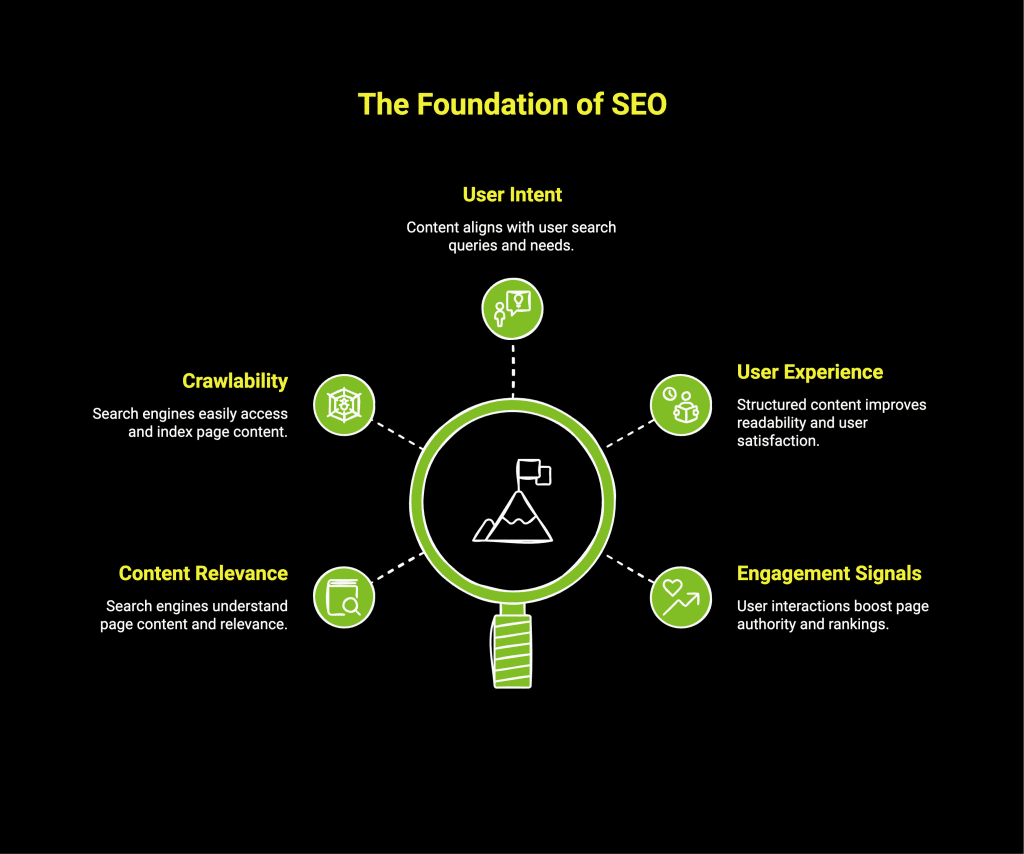
On-page SEO factors play a direct role in how search engines interpret and rank your content. They help establish relevance, clarity, and usability, all of which are essential for consistent search performance.
Key reasons on page factors matter:
- Help search engines understand what your page is about
- Improve crawlability and indexing accuracy
- Align content with user search intent
- Enhance user experience through structure and readability
- Support stronger engagement signals that influence rankings
Together, these on-page optimisation factors form the foundation of effective SEO. Without optimising them, even well-written content and strong backlinks may fail to deliver sustainable results.
Which 15 On-Page SEO Factors Really Drive Higher Rankings?
Search engines don’t reward pages for keywords alone anymore. To rank well today, your content must clearly signal relevance, structure, and value, both to real users and to search engine crawlers.
On-page SEO is where those signals are built, giving you direct control over how your page is understood, experienced, and ranked.
Here are 15 on-page SEO factors that genuinely move the needle and help pages earn higher rankings today:
1. Search Intent Alignment
Search intent alignment is one of the most fundamental on-page SEO factors because search engines rank pages based on how well a page satisfies what users are actually searching for. Even strong content can underperform if it does not match the intent behind the query.
Search intent generally falls into three main types:
- Informational: Users are looking for answers, explanations, or guidance
- Navigational: Users want to reach a specific website or brand
- Transactional: Users are ready to take action, such as buying or signing up
To optimise this key factor of on-page SEO, your content should match the dominant intent seen in search results, answer the main query quickly, and use the right content format. When intent is met clearly, both engagement and rankings improve.
2. Title Tag Optimisation
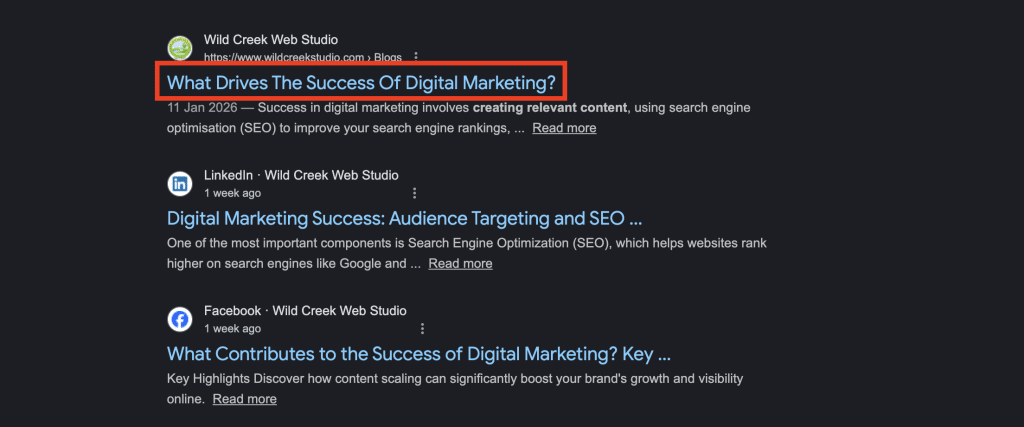
Title tags are one of the most important on-page SEO factors because they help search engines understand the primary topic of a page and strongly influence click-through rates. A well-written title sets clear expectations for both users and search engines.
Search engines use title tags as a relevance signal when matching pages to queries. If the title is unclear, duplicated, or over-optimised, rankings and online visibility can suffer even if the content itself is strong.
To optimise this key factor of on-page SEO:
- Include the primary keyword naturally
- Keep titles clear, concise, and readable
- Reflect search intent accurately
- Avoid duplication across pages
Strong title tag optimisation improves relevance, visibility, and user engagement directly from the search results.
3. Meta Description Optimisation
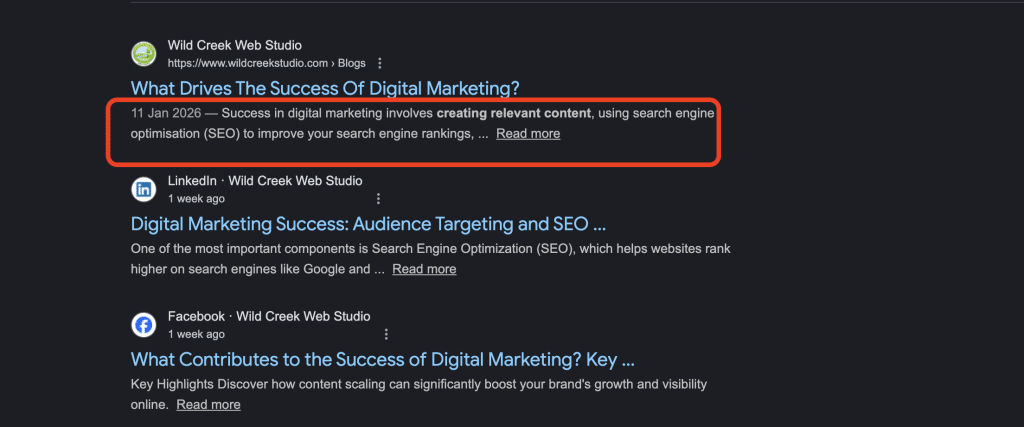
Meta descriptions do not directly influence rankings, but they are a critical on-page factor for improving visibility and click-through rates. They help users decide whether your page is the best result for their query.
Search engines often use meta descriptions to generate search snippets, especially when they clearly match search intent. Poorly written or missing descriptions can lead to lower engagement, even when rankings are strong.
To optimise this on-page SEO factor:
- Clearly summarise the page’s value
- Match the dominant search intent
- Keep descriptions concise and readable
- Avoid keyword stuffing
Well-optimised meta descriptions improve user engagement and support stronger overall search performance.
4. URL Structure
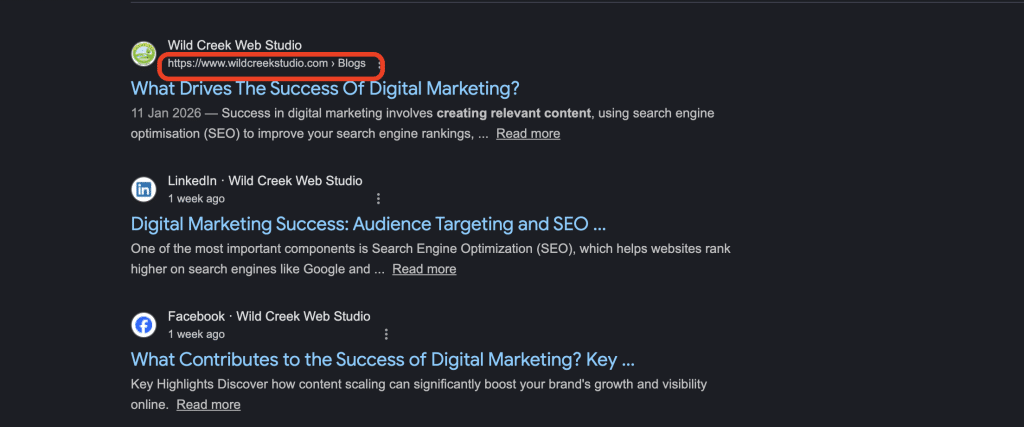
URL structure is an often-overlooked but important on-page SEO factor. Clean, descriptive URLs help search engines understand page context and make links more trustworthy and readable for users.
Search engines use URLs as a secondary relevance signal. Long, cluttered, or parameter-heavy URLs can reduce clarity and negatively affect crawl efficiency.
To optimise this on-page factor:
- Use short, descriptive URLs
- Include relevant keywords where appropriate
- Avoid unnecessary parameters and numbers
- Maintain a consistent URL structure across the site
A clear URL structure improves crawlability, relevance, and user confidence.
5. Header Tags (H1–H6)
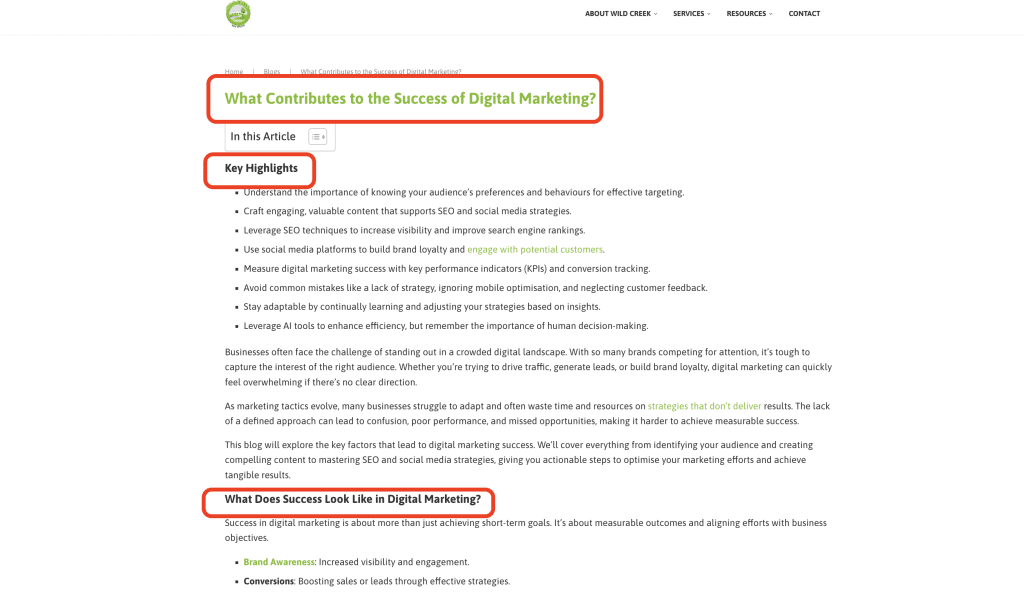
Header tags help organise content and signal hierarchy to search engines. They are a fundamental on-page factor for improving readability, relevance, and content clarity.
Search engines use header tags to understand the main topic of a page and how supporting sections relate to it. Poor heading structure can make content harder to interpret and less engaging for users.
To optimise this on-page SEO factor:
- Use one clear and descriptive H1 per page
- Structure content logically with H2s and H3s
- Include keywords naturally where relevant
- Improve scannability for users
Proper header tag usage strengthens content structure and supports better rankings and engagement.
6. Keyword Placement and Natural Usage
Keyword placement is a key factor of on-page SEO that helps search engines confirm a page’s relevance without compromising readability. The goal is clarity, not repetition.
Search engines evaluate how naturally keywords are used across important on-page elements to understand topic focus. Overuse or forced placement can harm user experience and reduce trust.
To optimise this on-page SEO factor:
- Use the primary keyword in the title, H1, and opening paragraph
- Include related terms naturally throughout the content
- Avoid keyword stuffing or unnatural repetition
- Focus on context and meaning over exact matches
Natural keyword usage improves relevance while keeping content helpful and readable.
7. High-Quality, Helpful Content
High-quality content is one of the most important on-page SEO factors because search engines prioritise pages that genuinely help users. Content must be accurate, relevant, and written to solve the user’s problem clearly.
Search engines evaluate content quality based on usefulness, originality, and how well it satisfies search intent. Thin, outdated, or generic content weakens other on-page factors, even if technical optimisation is strong.
To optimise this fundamental on-page factor:
- Focus on answering the user’s main question clearly
- Provide accurate, well-explained information
- Avoid filler content and repetition
- Keep content updated and relevant
High-quality content also signals Experience, Expertise, Authority, and Trustworthiness (EEAT). Search engines favour pages that demonstrate real-world knowledge, accurate information, and clear accountability.
Showing who created the content, why they are qualified, and how information is verified strengthens credibility and supports long-term rankings.
8. Content Depth and Topical Coverage
Content depth and topical coverage are important on-page SEO factors that help search engines assess how thoroughly a page covers a subject. Pages that address a topic in full are more likely to rank than those that offer only surface-level information.
Search engines look for contextual signals, related subtopics, and clear explanations to determine authority and relevance. Shallow content often fails to compete, even when keywords are present.
To optimise this on-page factor:
- Cover the main topic and its relevant subtopics
- Answer related user questions within the same page
- Use clear sections and headings for better structure
- Avoid unnecessary padding or off-topic content
Comprehensive coverage improves relevance, authority, and search performance.
9. Internal Linking
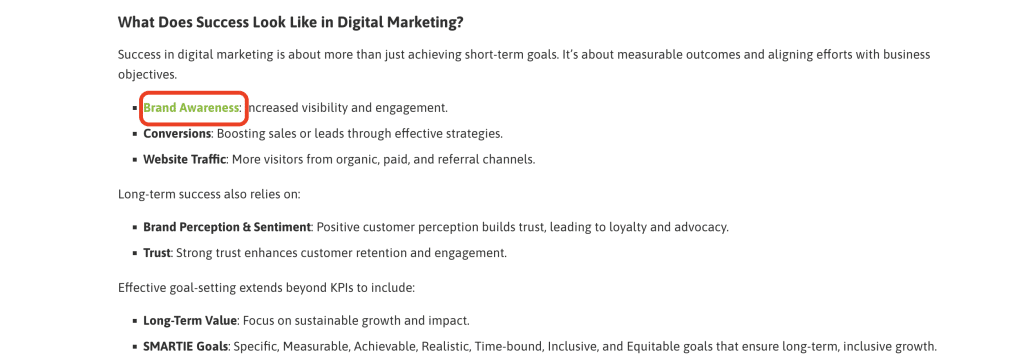
Internal linking is a key on-page SEO factor that helps search engines understand site structure and page relationships. It also improves navigation and keeps users engaged for longer.
Search engines use internal links to discover new pages, distribute link equity, and identify important content. Poor internal linking can limit crawlability and weaken rankings.
To optimise this on-page factor:
- Link to relevant pages using descriptive anchor text
- Create clear content hierarchies and topic clusters
- Avoid excessive or irrelevant links
- Ensure important pages are easily accessible
Effective internal linking strengthens crawl efficiency, relevance, and user experience.
10. Image Optimisation
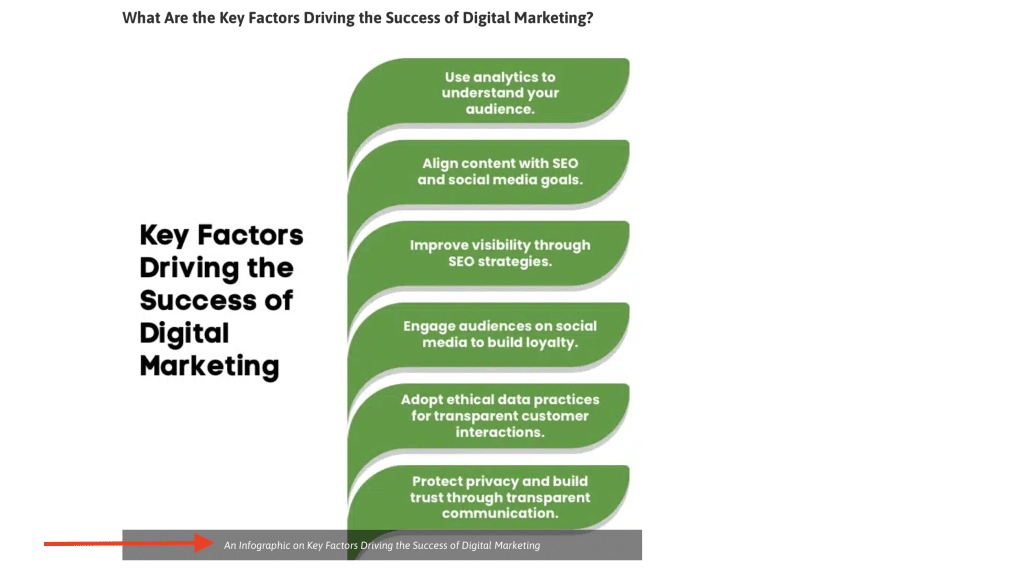
Image optimisation is an important on-page SEO factor that improves both page performance and accessibility. Properly optimised images help search engines understand visual content and enhance user experience.
Search engines rely on image-related signals such as file names, alt text, and loading behaviour to interpret images. Large or unoptimised images can slow down pages and negatively affect rankings.
To optimise this on-page factor:
- Use descriptive file names for images
- Write clear, relevant alt text
- Compress images to reduce load time
- Use appropriate image formats
Well-optimised images support faster pages, better accessibility, and improved search visibility.
11. Page Load Speed
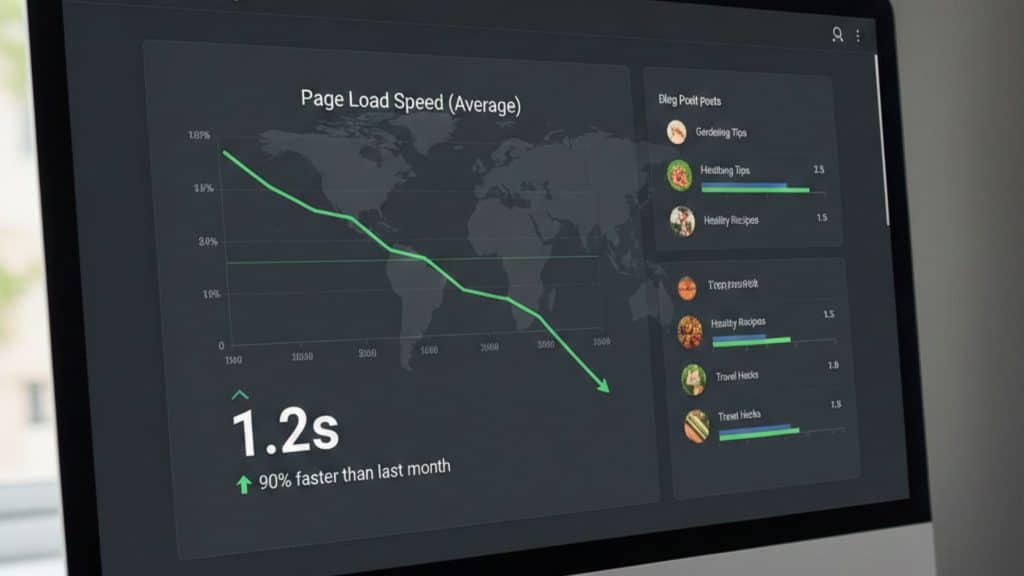
Page load speed is a critical on-page SEO factor because search engines prioritise pages that deliver a fast and smooth user experience. Slow-loading pages increase bounce rates and reduce engagement.
Search engines measure loading performance using user-centric metrics, especially on mobile devices. Poor speed can limit crawl efficiency and negatively impact rankings.
To optimise this on-page factor:
- Compress images and media files
- Reduce unnecessary scripts and code
- Enable browser caching
- Optimise server response time
Faster pages improve usability, engagement, and overall search performance.
12. Mobile Friendliness
Mobile friendliness is a vital on-page SEO factor, especially with search engines using mobile-first indexing. Pages that do not perform well on mobile devices often struggle to rank, even if their desktop experience is strong.
Search engines evaluate how content displays, loads, and functions on smaller screens. Poor layouts, slow mobile speed, or difficult navigation can hurt both rankings and user satisfaction.
To optimise this on-page factor:
- Use responsive design across all devices
- Ensure text is readable without zooming
- Make buttons and links easy to tap
- Avoid intrusive pop-ups on mobile
A mobile-friendly page improves accessibility, engagement, and search visibility.
13. Content Readability and Formatting
Content readability and formatting are important on-page SEO factors because they directly affect how users consume and engage with your content. Even valuable information can underperform if it is difficult to read or poorly structured.
Search engines consider user behaviour signals such as time on page and scrolling to assess content quality. Poor formatting can lead to higher bounce rates and lower engagement.
To optimise this on-page factor:
- Use short paragraphs and clear sentences
- Break content with headings and subheadings
- Use bullet points where appropriate
- Maintain consistent spacing and layout
Well-formatted, readable content keeps users engaged and supports stronger rankings.
14. Schema Markup and Structured Data
Schema markup is an advanced on-page SEO factor that helps search engines better understand the context of your content. It provides additional information about your page beyond standard HTML.
Search engines use structured data to enhance search results with rich snippets such as FAQs, reviews, and breadcrumbs. While schema does not guarantee higher rankings, it can significantly improve visibility and click-through rates.
To optimise this on-page factor:
- Use relevant schema types for your content
- Ensure structured data is accurate and up to date
- Follow search engine guidelines for implementation
- Test markup to avoid errors
Clear structure and structured data also support visibility in AI-driven search experiences powered by large language models (LLMs).
Well-defined entities, clear headings, and explicit explanations help AI systems accurately interpret, summarise, and surface content in search results beyond traditional rankings.
15. User Engagement Signals
User engagement signals are important on-page SEO factors that indicate how visitors interact with your content. Search engines use these signals to evaluate whether a page is meeting user expectations.
Metrics such as time spent on page, scroll depth, and interaction patterns help search engines assess content usefulness. Poor engagement often signals misaligned intent or weak content quality.
To optimise this on-page factor:
- Match content closely with search intent
- Improve readability and page layout
- Use internal links to guide users further
- Provide clear answers early in the content
Strong user engagement supports relevance, satisfaction, and sustained search performance.
What Are the Most Common On-Page SEO Mistakes to Avoid?
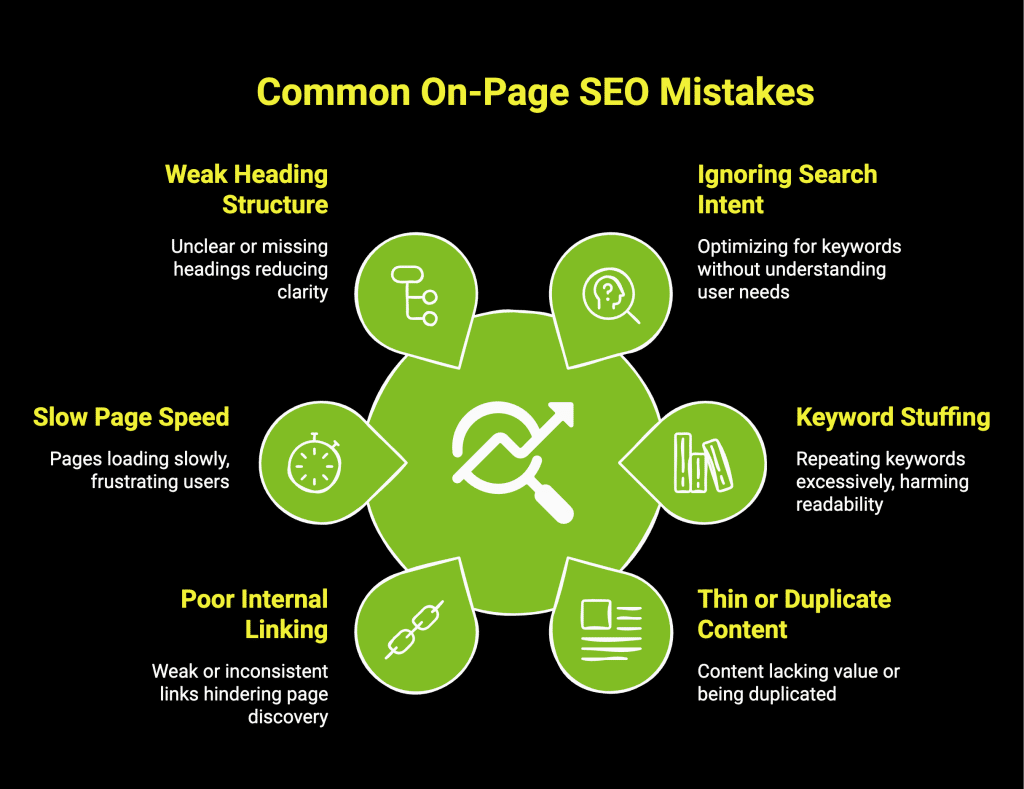
Even when websites invest in optimisation, certain on-page SEO mistakes can quietly limit rankings and traffic. These issues often weaken key on-page factors and prevent pages from reaching their full search potential.
1. Ignoring Search Intent
One of the most common mistakes is optimising for keywords without considering what users actually want. When content does not match informational, navigational, or transactional intent, users leave quickly. This sends negative engagement signals and makes it harder for search engines to justify ranking the page.
2. Keyword Stuffing
Repeating keywords excessively may seem helpful, but it harms readability and trust. Search engines are designed to understand context, not repetition. Keyword stuffing can reduce content quality and may even trigger ranking declines.
3. Thin or Duplicate Content
Thin content fails to provide enough value, while duplicate content confuses search engines about which page to rank. Both issues weaken topical authority and reduce the effectiveness of all on page SEO factors.
4. Poor Internal Linking
Internal links help search engines discover pages and understand site structure. When internal linking is weak or inconsistent, important pages may remain under-crawled, limiting their visibility and ranking potential.
5. Slow Page Speed
Pages that load slowly frustrate users and increase bounce rates. Search engines consider page speed an important signal, especially for mobile users. Poor performance can offset otherwise strong on-page optimisation.
6. Weak Heading Structure
Headings guide both users and search engines through your content. Missing H1 tags, repeated headings, or unclear hierarchy reduce content clarity and relevance, making it harder for pages to rank effectively.
Addressing these mistakes strengthens your fundamental on-page factors and helps deliver better rankings, engagement, and long-term SEO performance.
How Can You Audit and Improve On-Page SEO Factors?
Auditing on-page SEO factors helps identify gaps that limit rankings and user experience. A structured review ensures that all critical on-page optimisation factors are aligned with search intent and performance goals.
Start by reviewing each page for relevance, structure, and usability, then prioritise fixes based on impact rather than trying to optimise everything at once.
Key areas to audit and improve include:
- Page titles, meta descriptions, and heading structure
- Search intent alignment and content quality
- Keyword usage and topical coverage
- Internal linking and crawlability
- Page speed, mobile friendliness, and readability
Regular audits help maintain strong on-page ranking factors and ensure your site continues to perform as search algorithms and user expectations evolve.
On Page SEO vs Technical SEO vs Off-Page SEO: What’s the Difference?
Understanding the difference between on-page SEO, technical SEO, and off-page SEO is essential for building a balanced SEO strategy. Each plays a distinct role in how search engines evaluate, rank, and trust a website, and ignoring any one of them can limit overall performance.
| SEO Type | What It Focuses On | Key Areas Covered | Why It Matters |
| On Page SEO | Optimisation within a webpage | Content quality, keywords, headings, internal links, and user experience | Helps search engines understand relevance and improves engagement |
| Technical SEO | Site performance and infrastructure | Crawlability, indexing, site speed, mobile usability, security | Ensures search engines can access and process pages efficiently |
| Off-Page SEO | External authority signals | Backlinks, brand mentions, and online reputation | Builds trust and authority to support higher rankings |
Why Partner With Wild Creek Web Studio to Strengthen Your SEO Performance?
Optimising on-page SEO factors is most effective when backed by a team that understands strategy, execution, and long-term growth. Wild Creek Web Studio brings over 18 years of digital marketing experience, helping businesses improve visibility, traffic, and conversions through data-driven SEO and performance-focused strategies.
Wild Creek Web Studio takes a holistic approach to SEO, combining on-page optimisation, technical insights, content strategy, and digital consulting to ensure every improvement supports real business outcomes. Rather than one-size-fits-all solutions, their team focuses on clarity, measurable results, and strategies tailored to your goals.
If you are looking to apply on-page SEO factors correctly while building sustainable organic growth, Wild Creek Web Studio provides the expertise and strategic guidance needed to turn optimisation efforts into consistent performance gains.
Final Words
Search visibility today is earned through clarity, not shortcuts. Pages that communicate intent clearly, load smoothly, and guide users effortlessly are the ones that continue to perform as algorithms evolve.
On-page SEO factors give you direct control over how your content is understood and experienced. When these fundamentals are handled well, rankings become a by-product of usefulness rather than constant optimisation.
Focusing on strong on-page factors allows your site to compete on relevance and experience, creating a foundation that supports growth long after individual updates or algorithm changes.
Frequently Asked Questions
How can I use images and alt text to improve on-page SEO?
Use image optimisation best practices by adding descriptive alt text with target keywords, compressing images for speed, and placing them near relevant content. This improves the user experience, helps search engine crawlers, and increases chances of ranking in Google search results.
What are the factors of off-page SEO?
Off-page SEO factors include external links from authoritative sources, social media marketing, brand mentions, online presence, and local SEO signals. These elements strengthen trust, authority, and overall SEO ranking in Google rankings and search engine results.
How do I optimise images for on-page SEO?
Optimise images by using compressed files, descriptive alt text, keyword optimisation in file names, and fast loading, as checked via Google PageSpeed Insights. This supports core web vitals, content optimisation, and improves organic traffic from Google search.
What are the on-page SEO factors?
On-page SEO factors include content optimisation, heading tags, keyword optimisation, internal linking, image optimisation, page speed, mobile friendliness, and other SEO elements that help search engine crawlers understand a web page and improve search engine rankings.
Is keyword density still relevant in 2026?
Keyword density alone is not important in 2026. Search engine optimisation now focuses on relevant content, search intent, and natural keyword usage rather than fixed ratios from an SEO perspective.
How does page loading speed affect on-page SEO?
Page loading speed affects user experience, core web vitals, and crawl efficiency. Faster pages improve chances of ranking higher in Google rankings and search engine results.
Is internal linking an important part of on-page SEO, and how can I improve it?
Yes, internal linking strengthens site architecture and SEO strategy. Improve it by linking related pages with descriptive anchor text and ensuring important pages are accessible to search engine crawlers.
Can you provide a checklist of on-page SEO tasks for optimising a web page?
An on-page SEO checklist includes optimising title tags, heading tags, content and keyword optimisation, image optimisation with descriptive alt text, internal linking, page speed and core web vitals, mobile friendliness, URL structure, and ensuring relevant, valuable content for search engines.